

Key Takeaways
- Automatic tube filling machines ensure consistent filling accuracy and leak-proof sealing across batches
- Automation reduces labour dependency, minimises wastage, and improves overall production efficiency
- Suitable for pharma, cosmetics, and FMCG industries handling creams, gels, and semi-solid products
- Precision dosing, hygienic design, and multi-tube compatibility directly impact product quality and compliance
- Choosing the right manufacturer ensures scalability, reliability, and long-term operational stability
In pharma and cosmetic manufacturing, consistency isn’t a luxury — it’s non-negotiable. A slight variation in filling volume or sealing quality can lead to product rejection, compliance issues, or worse, customer distrust. That’s where a bold shift towards automation becomes critical.
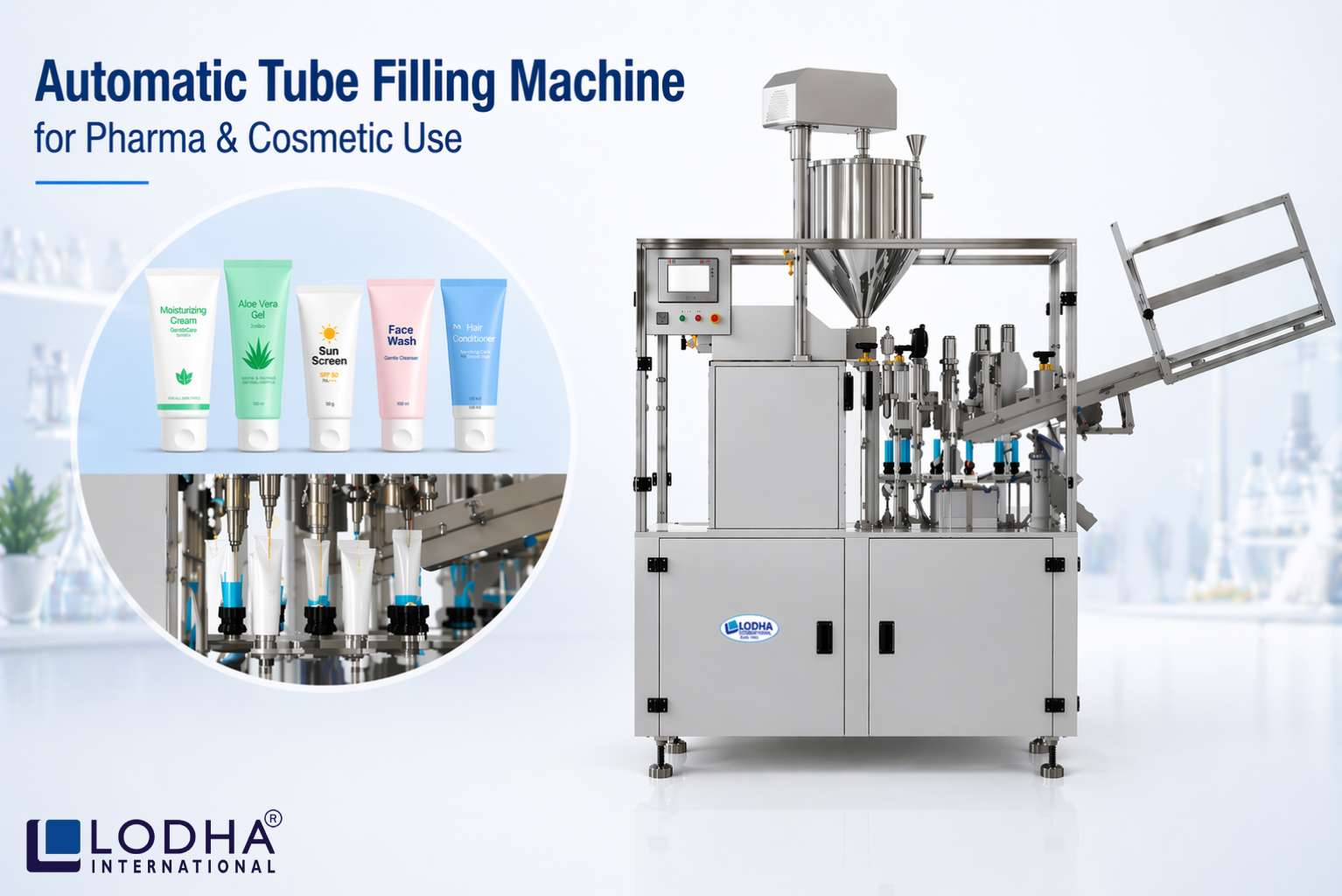
An Automatic Tube Filling Machine manufacturer plays a direct role in how efficiently your production line performs, how clean your process stays, and how scalable your operations become. Whether you’re filling ointments, gels, creams, or lotions, the right machine doesn’t just fill tubes — it stabilises your entire workflow.
What Problems Does an Automatic Tube Filling Machine Solve?
Manual or semi-automatic processes may seem cost-effective at first, but they often create hidden slowdowns as production grows.
You start seeing issues like:
- Inconsistent filling volumes across batches
- Leakage or poor sealing
- Higher product wastage
- Labour dependency slowing output
- Hygiene risks in pharma-grade environments
An advanced Automatic Tube Filling Machine manufacturer addresses these gaps by bringing repeatability into the system. The machine doesn’t get tired, doesn’t guess measurements, and doesn’t compromise on sealing precision.
In regulated industries like pharmaceuticals, this level of control is not optional — it’s expected.
How an Automatic Tube Filling Machine Actually Works
Let’s keep this practical.
An automatic tube filling machine typically follows a streamlined sequence:
1. Tube Loading
Empty tubes (plastic, laminate, or aluminium) are fed into holders manually or automatically depending on configuration.
2. Orientation & Positioning
The machine aligns tubes correctly for precise filling and sealing — especially critical for printed tubes.
3. Filling Process
Highly accurate dosing systems dispense the product into each tube. Viscosity variations (thick creams vs gels) are handled through calibrated mechanisms.
4. Sealing & Coding
The tube is sealed using heat or crimping. Batch numbers, expiry dates, or embossing can be added at this stage.
5. Discharge
Finished tubes are ejected, ready for packaging.
What sounds simple on paper is actually a tightly synchronised process — and that’s where machine quality becomes the deciding factor.
Where It’s Used (And Why That Matters)
A lot of buyers underestimate this part. They assume one machine fits all applications. It doesn’t.
Pharma Industry
Used for ointments, medicated creams, gels, and toothpaste-like formulations. Requires strict hygiene standards and consistent dosing.
Cosmetic Industry
Handles creams, lotions, face washes, and beauty products. Visual appeal of sealing and presentation becomes important here.
FMCG & Personal Care
Products like hair gels, conditioners, and herbal pastes demand speed along with consistency.
Choosing an Automatic Tube Filling Machine manufacturer who understands these nuances is what separates a smooth production line from a problematic one.
What Buyers Often Get Wrong
Here’s where I’ll be blunt — most buyers focus on price first. That’s a mistake.
1. Ignoring Product Viscosity
Not all machines handle thick or sticky materials equally well. Buying a generic machine can lead to clogging or inconsistent filling.
2. Overlooking Output Requirements
Buying a low-capacity machine to “save cost” often leads to upgrade expenses within a year.
3. Skipping Material Compatibility
Plastic, laminate, and aluminium tubes require different handling and sealing mechanisms.
4. Not Thinking About Maintenance
Complex machines without proper support become a liability, not an asset.
A serious Automatic Tube Filling Machine manufacturer will guide you through these decisions instead of just pushing a standard model.
Key Features That Actually Make a Difference
Let’s cut through the marketing noise and focus on what truly matters:
Precision Filling System
Accurate dosing prevents wastage and maintains batch consistency.
Adjustable Speed Control
Flexibility to match production demand without compromising quality.
Hygienic Design
Stainless steel construction and easy cleaning support pharma compliance.
Multi-Tube Compatibility
Ability to handle different tube sizes without heavy reconfiguration.
Strong Sealing Mechanism
Leak-proof sealing is critical, especially for export-quality products.
User-Friendly Controls
Operators shouldn’t need advanced technical skills just to run the machine.
These are not “nice-to-have” features — they directly impact production efficiency and product quality.
How to Choose the Right Machine for Your Business
Instead of asking “Which machine is best?”, ask:
- What is my daily production target?
- What type of product am I filling? (thick, semi-liquid, gel)
- What tube material do I use?
- Do I need batch coding integration?
- How important is automation level for my team?
Once you have these answers, selecting the right Automatic Tube Filling Machine manufacturer becomes much easier — because now you’re evaluating fit, not just features.
Why Choose Us
AtLodha International LLP, we don’t treat tube filling machines as standard equipment — we treat them as production-critical systems. Our approach is built around understanding the product you’re handling, the output you need, and the industry standards you must meet.
We design and deliver machines that balance precision with durability, especially for pharma and cosmetic applications where there’s no room for inconsistency. With practical engineering, user-friendly controls, and strong after-sales support, we focus on keeping your operations stable and scalable — not just running.
Conclusion
Choosing the right tube filling solution isn’t just about automation — it’s about control, consistency, and long-term efficiency. A well-built machine reduces errors, improves output, and helps maintain product quality without constant supervision. The real difference comes from selecting a partner who understands your production environment, not just your budget. When you align machine capability with your actual needs — product type, volume, and compliance requirements — you avoid costly mistakes and future limitations.
A reliable Automatic Tube Filling Machine manufacturer helps you move from reactive production to a structured, predictable system. And once that shift happens, scaling your operations becomes far easier.
Call+919687731331 or email info@lodhapharma.com to discuss your production needs and find the right tube filling solution for your business.