


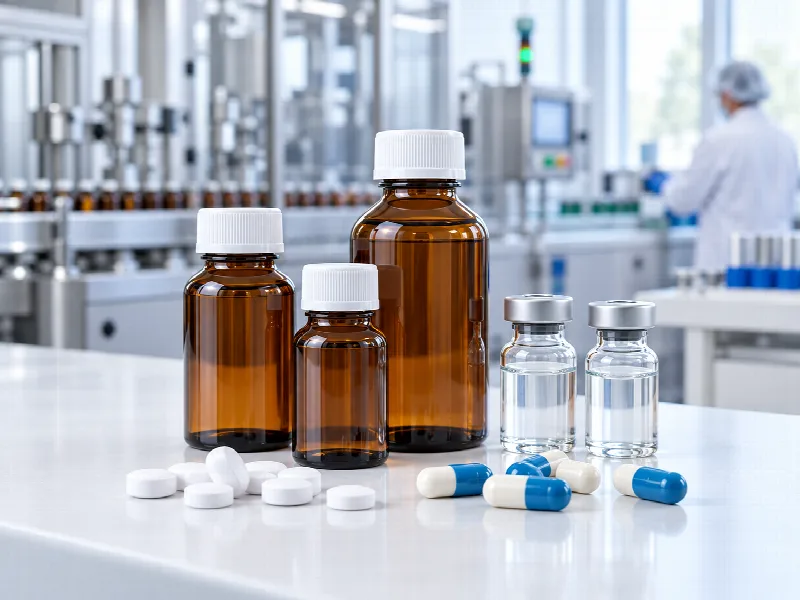
Pharmaceuticals
Rotary presses for production batches and laboratory presses for formulation development.
Find a tablet press machine for formulation trials, small batches, rotary production or specialist salt processing. Compare single sided, double sided, high speed and laboratory models by tooling, tablet dimensions and production requirements.
Lodha International LLP is a tablet press machine manufacturer established in 1995. Our range covers production rotary presses, compact rotary machines, laboratory presses and a specialist salt press. Use this guide to match your formulation, tablet size and batch size to the right machine and tooling. The wider tablet machines category also covers blending, granulation, drying and related equipment for the stages around compression.
Our seven tablet presses fall into four groups, from manual and laboratory presses to high speed production machines.
The single sided rotary tablet press is an entry-level option for small batches, while the double sided LI-DT range serves medium batches at up to 225,000 tablets per hour. For large batches, the high speed rotary tablet press makes up to 545,000 tablets per hour, with force feeding and a pre-compression roller.
The mini rotary press is a compact table-top machine for formulation development and small production batches. The lab single punch press supports small quantities and formulation trials using a filling, compression and ejection sequence. Both let development teams test formulations before scaling up to production.
The manual tablet press lets the operator load material into the die and compress it by hand. It suits small runs and training where direct control of each tablet matters. The LI-MT 100 has 10 stations with B tooling, presses tablets up to 20 mm and makes up to 60,000 tablets per hour.
The salt press is designed around the challenges of handling abrasive and corrosive salt. It uses stainless steel contact parts, a special reducer motor and automatic feeding and pressing, and makes up to 222,000 tablets per hour.
Values are listed in model order. Maximum tablet diameter is the largest tablet each model can press; full specifications are on each model page.
| Model | Type | Output / hour | Stations | Tooling | Maximum tablet diameter |
|---|---|---|---|---|---|
| LI-ST12 / LI-ST16 / LI-ST20 | Single sided rotary | 15,840 max. / 13,400-40,220 / 16,800-52,000 | 12 / 16 / 20 | Special / D / D | 40 / 25 / 25 mm |
| LI-DT 27D / 27B / 35B / 45B | Double sided rotary | 65,000-130,000 / 65,000-130,000 / 70,000-168,000 / 90,000-225,000 | 27 / 27 / 35 / 45 | D / B / B / BB | 25 / 16 / 16 / 11 mm |
| LI-HT 45D / 61B / 69B / 75B | High speed rotary | 325,000 / 435,000 / 497,000 / 545,000 | 45 / 61 / 69 / 75 | D / B / BB / BB | 25 / 16 / 11 / 11 mm |
| LI-MT 8D / 10B / 10D | Mini rotary | 14,000 / 14,000 / 18,000 max. | 8 / 10 / 10 | D / B / D | 22 / 16 / 22 mm |
| LI-DT 37 | Salt press | 222,000 max. | 37 | D | 25 mm |
| Lab Single Punch Tablet Press | Lab single punch | On request | On request | On request | On request |
| LI-MT 100 | Manual | 60,000 max. | 10 | B | 20 mm |
Output is in tablets per hour and depends on tablet size, formulation and turret speed. Lab single punch press specifications are shared on request.
Consider a high speed rotary tablet press when the planned batch size and available production time make your existing press a constraint. The LI-HT range has a bottom-driven rotary force feeder, variable AC drives and front controls for adjusting tablet parameters from outside the tableting area, plus interlocked upper and side guards and quick cleaning.
Send us your formulation and tablet drawing, and our engineers will recommend the station count and tooling that give consistent tablets at the output you need.
Every tablet press fills, meters, compresses and ejects. A rotary press repeats this cycle at every station around the turret, while a single punch press runs it at one punch and die.
Tablet size depends on the punches and dies. Match your tablet diameter and fill depth to the tooling of each model. Figures below are maximum values.
| Machine / model | Maximum diameter | Maximum fill depth | Material and construction |
|---|---|---|---|
| LI-ST12 | 40 mm | 30 mm | Powder / granules; SS 316 construction |
| LI-ST16 / LI-ST20 | 25 mm | 20.5 mm | Powder / granules |
| LI-DT 27D / 27B / 35B / 45B | 25 / 16 / 16 / 11 mm | 20 / 17 / 17 / 17 mm | Powder granules; optional SS 316 middle plate |
| LI-MT 8D / 10B / 10D | 22 / 16 / 22 mm | 20.5 / 17.5 / 20.5 mm | Formulation development and small batches |
| LI-DT 37 salt press | 25 mm | 20 mm | Salt; stainless steel contact parts |
| Lab single punch | On request | On request | Powder; AISI 304 exterior and non-contact parts |
Send your tablet drawings with your enquiry and we will share the material specification and tooling drawing for the recommended machine.
Define the batch size and time available for compression. Pick a model whose output covers your batch with margin.
State diameter, thickness and shape. Review maximum diameter and fill depth together, then agree tooling that matches the drawing.
Identify D, B, BB or special tooling as applicable. If you already own tooling, send its details so we can check compatibility.
Share whether the material is powder, granules or salt. Tell us about flow or sticking problems so the feeding and compression set-up suits your material.
Consider how often products and tools change. Easy access to the compression area keeps cleaning and tool changes quick.
Guards, interlocks and overload protection keep operators safe, and the high speed range allows external adjustment while running.
List the materials, utilities and documents you need, and the quotation will cover them.
Send the formulation, tablet drawing and target output for help selecting a model.
Ask for a recommendationOur tablet presses serve pharmaceutical, nutraceutical, food, chemical and research users, with tooling matched to each product.
Rotary presses for production batches and laboratory presses for formulation development.
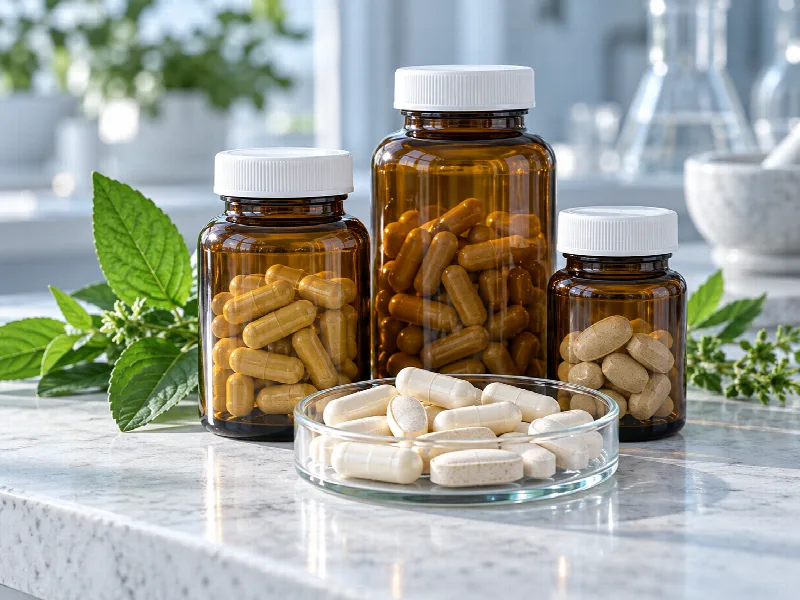
Supplement and herbal tablets on laboratory and production presses.
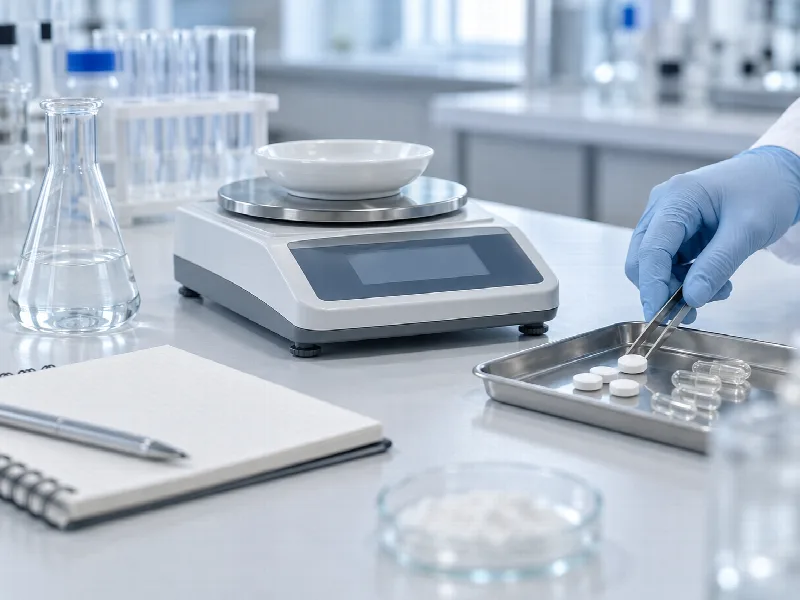
Mini rotary and single punch presses for formulation testing and small trial quantities.
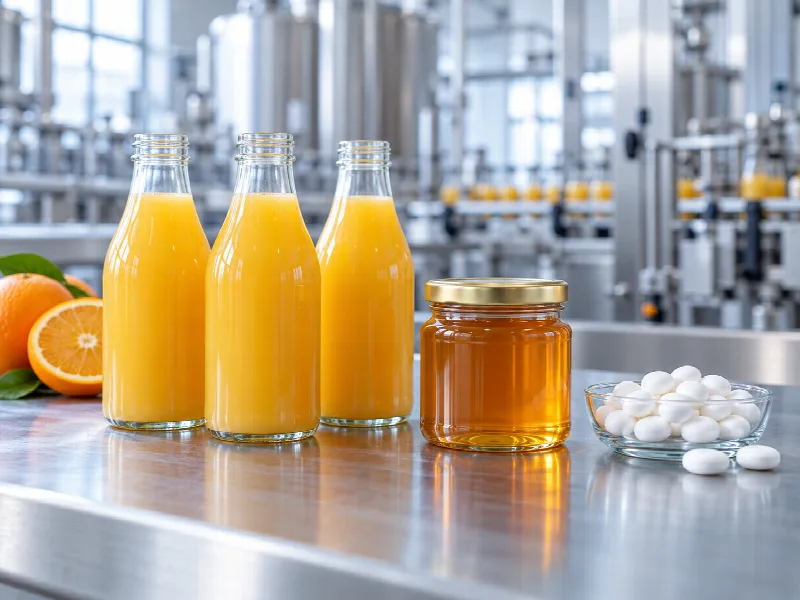
Food and confectionery tablets on the single sided rotary press.
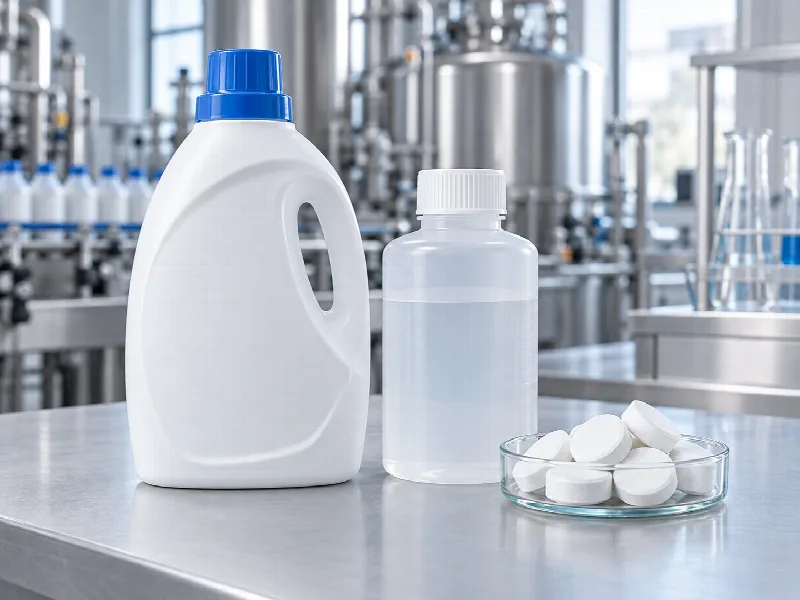
Salt tablets for water treatment and household use, plus cleaning and cosmetic tablets on high speed presses.
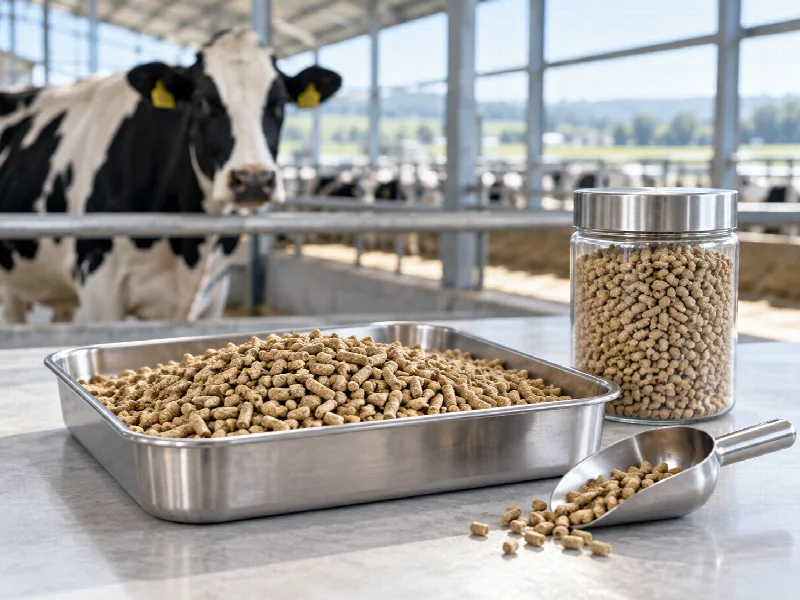
Salt tablets used as dietary supplements in animal nutrition.
Lodha International LLP has manufactured pharmaceutical machinery since 1995, and supplies tablet presses from laboratory to production scale.
Production rotary presses, compact development machines, a lab single punch press, a manual press and a specialist salt press, all from one supplier.
Choose from 8 to 75 stations and D, B, BB or special tooling to suit your tablet.
Single sided, high speed and mini rotary presses are built to cGMP design.
Mini rotary and lab single punch presses let you develop a formulation before moving to production.
Lodha exports pharmaceutical machinery to more than 50 countries. Tell us your destination country and we will quote accordingly.
Lodha exports pharmaceutical machinery to more than 50 countries. Use the country links below to explore existing local supplier pages, and include your destination in a tablet press enquiry. Agree the selected model, tooling, utilities and documentation requirements as part of the quotation.
Linked countries open our local supplier page.
Tell us your formulation, tablet dimensions, tooling and target output. Include the destination country and any specific supply requirements.
Explore working principles, tooling, maintenance and buying considerations in the articles below.
 Guide
 Guide
Guide
 Guide
 Guide
Guide
Guide
 Guide
 Guide
 Guide
Guide
 Guide