

Tube Filling Machine
Semi automatic, rotary and fully automatic linear tube filling and sealing machines for aluminium, laminated and plastic tubes. From 25 to 120 tubes per minute, built in SS 316 for pharma, cosmetic, herbal and food plants.
- 25–120tubes / min
- 12–50 mmtube diameter
- 3–250 gfill range
- ± 1%fill accuracy
Tube Filling and Sealing Machines for Pharma, Cosmetic and Herbal Products
Lodha International LLP is a tube filling machine manufacturer and exporter, building tube filling and sealing machines since 1995. Our range covers semi automatic, rotary and fully automatic linear tube fillers that fill creams, ointments, gels, toothpaste and other viscous products into aluminium, laminated and plastic tubes, then seal, batch code and eject them. Outputs run from 25 tubes per minute on an 8 station semi automatic machine to 120 tubes per minute on a double head linear line, so one supplier can take a plant from its first batch to full scale production. All product contact parts are SS 316, and linear models fill to ± 1% accuracy.
Types of Tube Filling Machines
We make 13 tube filling machine models. They fall into four groups by how the tube moves through the machine and how much of the work the operator does. Pick the group that matches your output, then the model that matches your tube material.
1. Fully Automatic Linear Tube Filling Machines (60 to 120 tubes/min)
Tubes travel in a straight line through separate stations for feeding, eye-mark orientation, filling, hot air heating, sealing, coding and trimming. Linear machines give the highest output and the most accurate fill, and suit large pharmaceutical and cosmetic plants.


2. Automatic Rotary Tube Filling Machines (up to 50 tubes/min)
A Geneva-indexed turntable carries each tube through 8 or 12 stations. Rotary machines need less floor space than linear lines and handle aluminium, laminated and plastic tubes on the same frame, which makes them the common choice for medium batch production.


3. Semi Automatic Tube Filling Machines (25 to 60 tubes/min)
The operator places each tube in the holder and the machine fills, seals and codes it. Semi automatic tube fillers cost less, change over quickly between products and suit start-ups, Ayurvedic and herbal units, contract manufacturers and small batch cosmetic brands.


4. Tube Filling Machines by Tube Material and Application
These models are configured for one tube material or one product type, with the matching sealing system, nozzle and hopper already fitted.


Tube Filling Machine Models Compared
Use this table to shortlist a model by output, automation and tube handling. Every model fills tubes from 12 mm to 50 mm in diameter and 50 mm to 200 mm in length.
| Model | Type | Heads / Stations | Output (tubes/min) | Fill Range | Tube Loading |
|---|---|---|---|---|---|
| LI-STF 8 | Semi automatic rotary | 1 head / 8 stations | 25 to 30 | 3 g to 250 g | Manual |
| LI-STF | Semi automatic | 1 head / 12 stations | 27 to 30 | 5 g to 200 g | Manual or automatic |
| LI-STFD | Semi automatic, double head | 2 heads / 12 stations | 55 to 60 | 5 g to 50 g | Manual or automatic |
| LI-TUBO 12S | Automatic rotary | 1 head / 12 stations | Up to 50 | 5 g to 250 g | Automatic |
| LI-TF 60 | Fully automatic linear | Single head | Up to 60 | 5 g to 200 g | Automatic, cassette feeder |
| LI-TF 120 | Fully automatic linear, high speed | Double head | Up to 120 | 5 g to 200 g | Automatic, cassette feeder |
Output depends on product viscosity, fill weight and tube size. Fill ranges are covered by interchangeable syringe pumps. Full specifications are on each model page.
Automatic Tube Filling Machine: When Should You Upgrade?
An automatic tube filling machine removes the operator from tube loading and orientation. Tubes are fed from a magazine or cassette, a photocell reads the eye mark so the print faces the right way, and the machine fills, heats, seals, codes, trims and ejects each tube without manual handling. A no tube no fill sensor stops dosing when a holder is empty.
Move from a semi automatic to an automatic tube filler when:
- You need more than 30 tubes per minute from a single shift.
- Labour cost or operator fatigue is limiting your output.
- Your regulator or customer expects consistent print orientation and batch coding on every tube.
- You plan to link the filler to a cartoning machine for an end-of-line packing line.
For up to 50 tubes per minute in a compact footprint, choose the automatic rotary tube filling machine. For 60 to 120 tubes per minute with ± 1% fill accuracy, choose the fully automatic linear tube filling machine.
How a Tube Filling Machine Works
Every tube filling and sealing machine follows the same sequence. On a rotary machine each step happens at one station of the turntable. On a linear machine each step has its own station along the track.
- Tube FeedingEmpty tubes are loaded into holders by hand or from an automatic cassette feeder.
- OrientationAn eye-mark sensor and stepper motor rotate each tube so the printed artwork faces forward.
- FillingA cam-operated syringe pump doses the set weight through a nozzle that rises with the fill level, preventing air pockets.
- HeatingFor lami and plastic tubes, hot air from a Leister or BAK heater softens the inner layer of the tube end.
- SealingWater-cooled pneumatic jaws press the tube end shut. Aluminium tubes are folded or crimped instead.
- CodingThe batch number, manufacturing date and expiry are embossed on the seal.
- TrimmingExcess material on the sealed end is trimmed for a clean finish.
- EjectionFinished tubes are pushed onto a conveyor or into a collection tray.
Tube Materials and Sealing Methods
The tube material decides the sealing system, so confirm it before ordering. Rotary models can be supplied to handle more than one material.
| Tube Material | Sealing Method | Typical Products | Suggested Machine |
|---|---|---|---|
| Aluminium (metal) | Mechanical fold or crimp, 2 or 3 folds | Ophthalmic and dermatological ointments, adhesives, hair colour | Aluminium tube filling & closing machine |
| Laminated (ABL / PBL) | Hot air heating and jaw sealing | Toothpaste, creams, gels, food pastes | Laminated tube filling & sealing machine |
| Plastic (LDPE / HDPE) | Hot air heating and jaw sealing | Cosmetic creams, lotions, face wash, sunscreen | Rotary aluminium & plastic tube filling machine |
How to Choose the Right Tube Filling Machine
Output
Under 30 tubes per minute, a semi automatic machine is enough. 30 to 50 needs an automatic rotary. Above 50 needs a linear machine, single or double head.
Tube Material
Aluminium needs a folding and crimping station. Laminated and plastic tubes need a hot air heater and water-cooled sealing jaws.
Fill Weight
Match the syringe pump to your pack sizes: 5 g to 30 g for ophthalmic and sample tubes, 30 g to 100 g for most creams, 100 g to 250 g for toothpaste and family packs.
Viscosity & Temperature
Thick pastes and products filled warm need a jacketed hopper, a stirrer or a heated nozzle.
Number of Tube Sizes
Each extra size needs its own change parts, so list every pack size you plan to run.
Compliance
Pharmaceutical plants should ask for SS 316 contact parts and FAT, DQ, IQ and OQ documents.
Line Integration
If a cartoner or check weigher will follow, choose an automatic machine with a conveyor discharge.
Not Sure?
Send us your product and tube details. Our engineers will recommend a model.
Ask an engineerIndustries Using Tube Filling Machines
Our tube filling and sealing machines run in pharmaceutical, cosmetic, herbal, oral care, food and chemical plants. The filling nozzle, hopper and sealing system are matched to each product's viscosity and tube material.
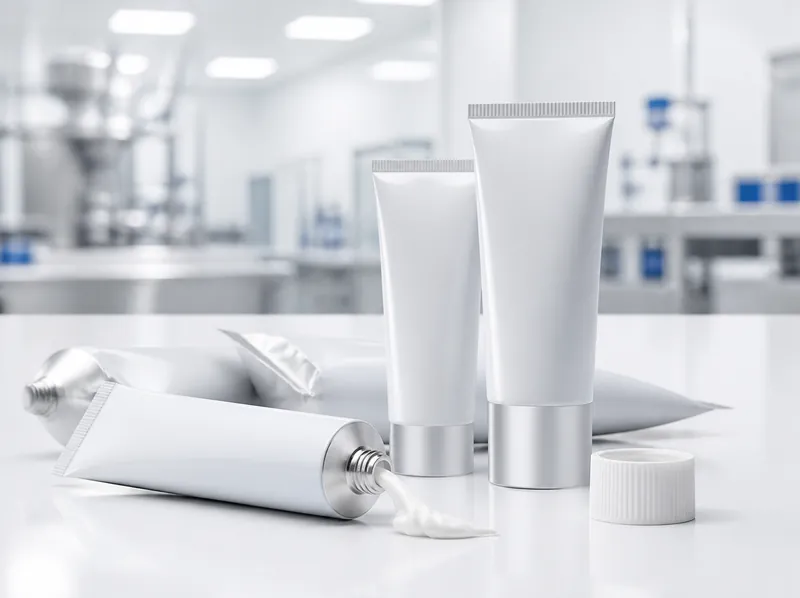
Pharmaceutical
Ointments, antiseptic and antifungal creams, ophthalmic ointments, gels and dental gels in aluminium and lami tubes.
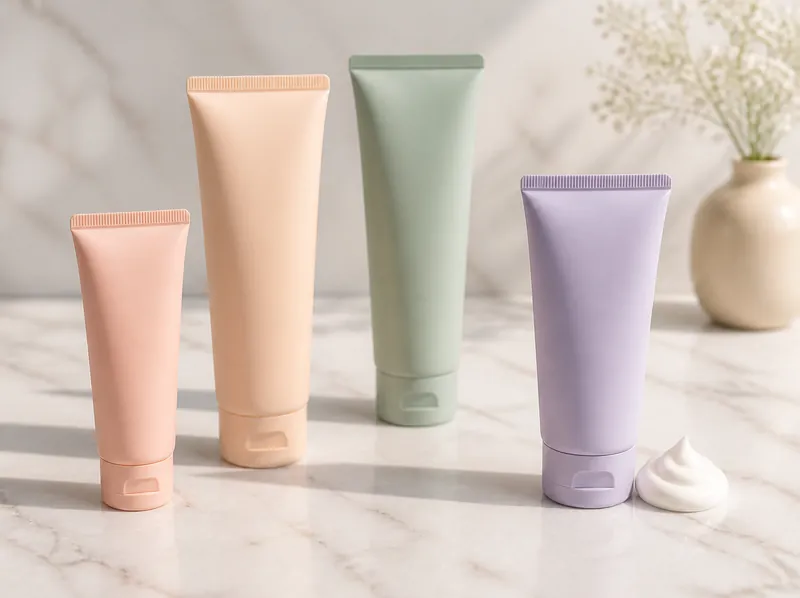
Cosmetics & Personal Care
Face creams, face wash, sunscreen, hair colour, lotions and hand creams in printed plastic and laminated tubes.

Ayurvedic & Herbal
Herbal balms, pain relief creams, medicated ointments and herbal pastes.
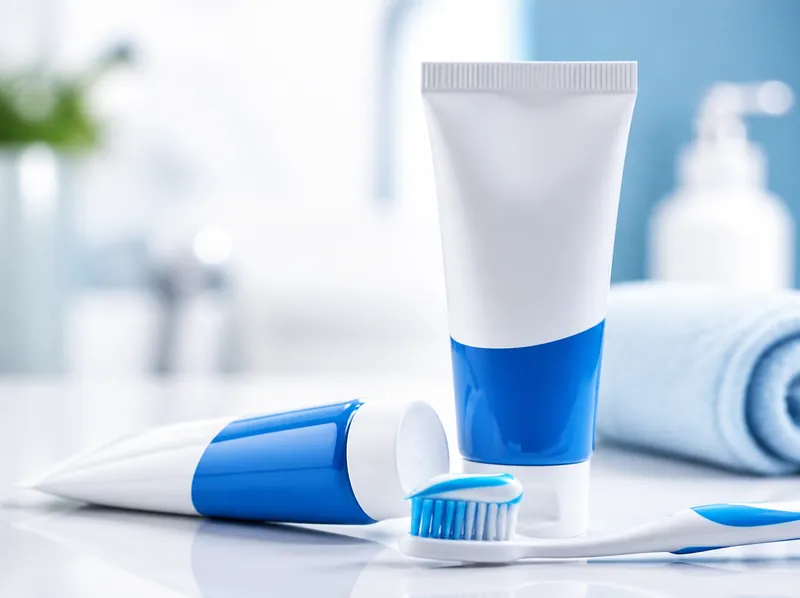
Oral Care
Toothpaste and dental gels in ABL and PBL laminated tubes.
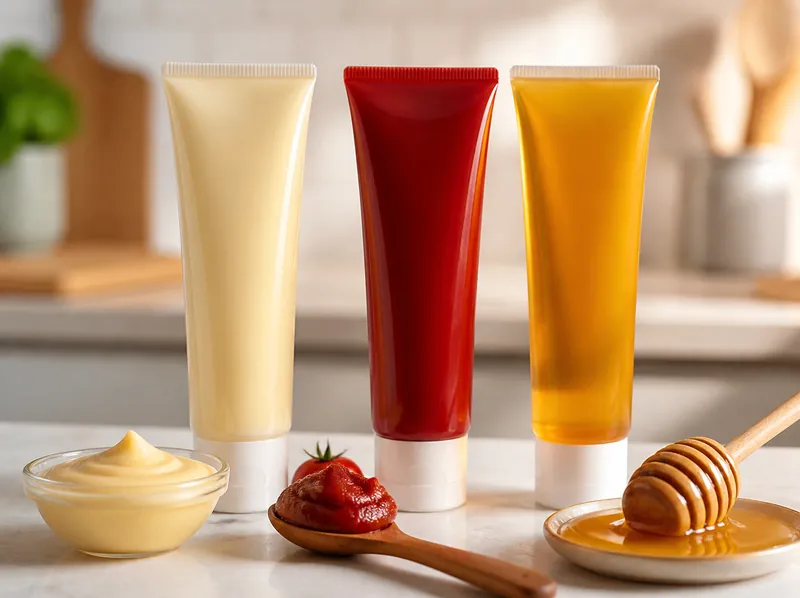
Food
Condensed milk, sauces, honey, spreads and other viscous food pastes.
Chemical & Industrial
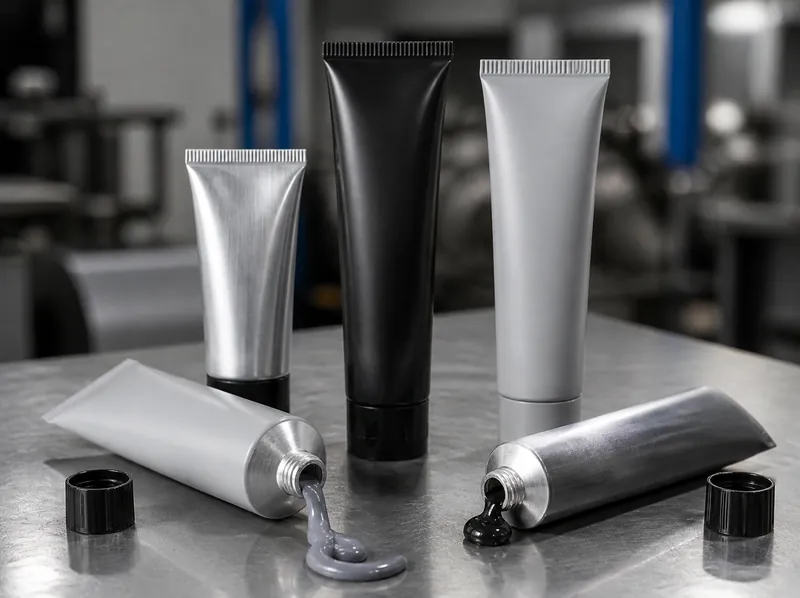
Adhesives, sealants, greases, lubricants and industrial pastes.
Why Buy a Tube Filling Machine from Lodha
30 Years of Experience
Manufacturing pharmaceutical machinery since 1995, with machines installed in more than 50 countries.
Scale With One Supplier
A complete range from 25 to 120 tubes per minute, so you can grow without changing vendors.
cGMP Construction
SS 316 product contact parts and cGMP design for pharmaceutical and cosmetic plants.
Validation Support
FAT, DQ, IQ and OQ documentation for regulated plants and audits.
After-Sales Service
Change parts for every tube size, plus installation, operator training and spare parts support.
Complete Cream Line
Matching upstream equipment, including the ointment cream manufacturing plant and cream and ointment filling machines.
Tube Filling Machines Exported Worldwide
Lodha exports pharmaceutical machinery, including tube filling and sealing machines, to more than 50 countries across Asia, Africa, the Middle East, Europe and the Americas. Each machine is built and tested for the buyer's tubes and products before it ships.
Asia
Africa
Middle East
Europe & CIS
Americas & Oceania
- Change parts made for your product sizes before dispatch
- Factory acceptance test and validation documents on request
- Export packing and shipping coordination
- Installation, operator training and spare parts support
Linked countries open our local supplier page.
Get a Tube Filling Machine Quote
Tell us your product, tube material, tube sizes and target output. Our engineers will recommend the right model and send a quotation.
- Share your requirementProduct, viscosity, tube type, pack sizes and tubes per minute.
- Get a model recommendationWe match the machine, syringe pump and change parts to your tubes.
- Receive a quotationWith technical specifications, delivery time and export terms.
Tube Filling Machine FAQs
Related Products
Tube Filling Machine Guides
Buying guides, working principles and comparisons from our engineering team.
 Guide
Tube Filling Machines for Industries
Read more Guide
All about Tube Filling Machine
Read more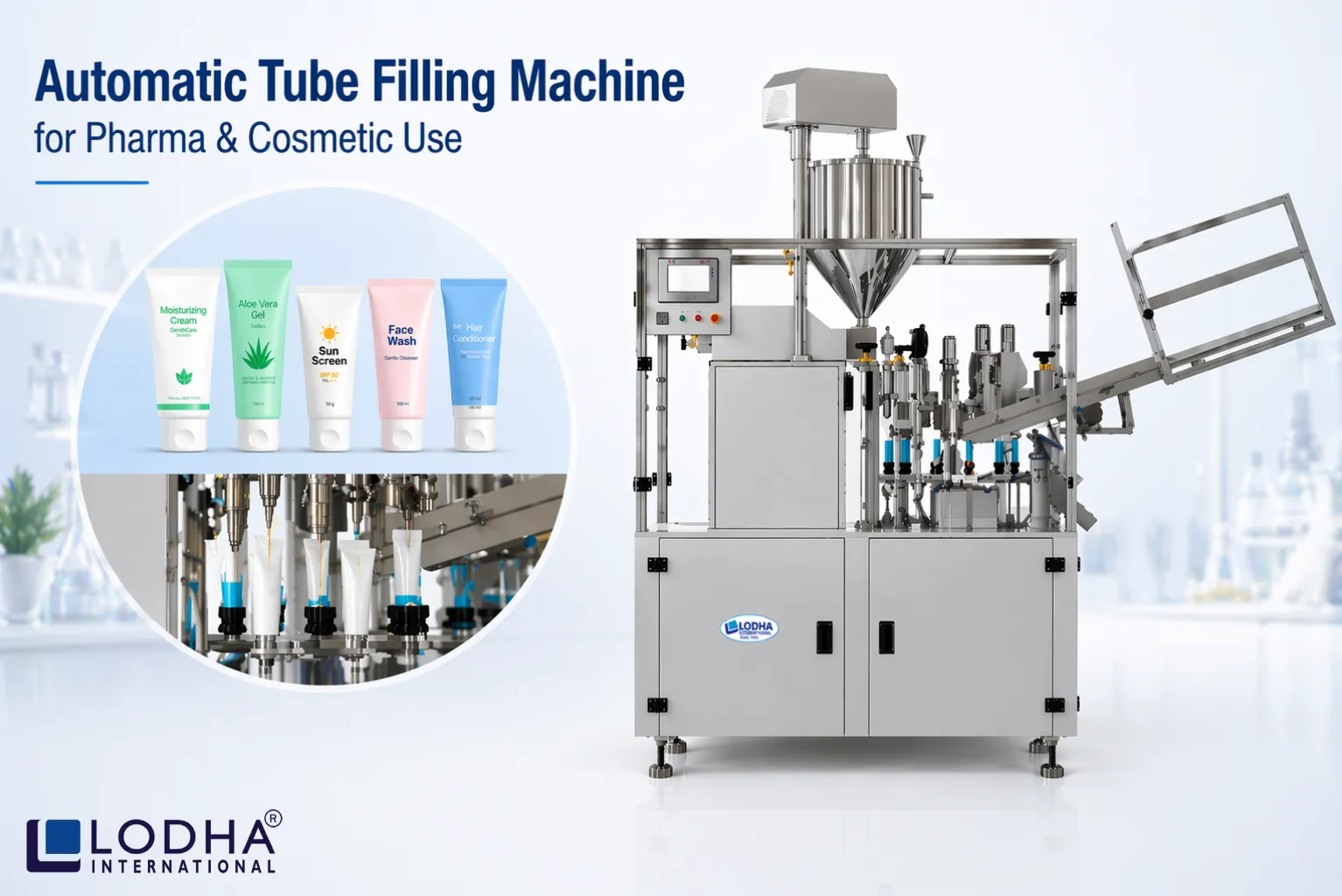 Automatic
 Tube Filling Machine for Pharma & Cosmetic Use
Read more Automatic
Best Automatic Tube Filling Machine for Cosmetic and Pharma Manufacturing
Read more Aluminium Tubes
Everything You Need to Know About Aluminium Tube Filling Machines
Read more
ProductionImprove Your Production Line with Advanced Tube Filling Machines
Read more
Laminated TubesLaminated Tube Filling and Sealing Machine: Key Features, Uses, and Advantages
Read more Automatic
Order Automatic Tube Filling Machine for Fast Packaging Needs
Read more Rotary
 Tube Filling Machines: Features, Functions, and Advantages
Read more Semi Automatic